
Elements, systems and systems of systems, the correct approach to integration, as an enabling factor.
Constant technological upgrading, dematerialization, process optimization and digitization, competitiveness in domestic and international markets, and constantly changing regulations are just some of the many challenges that any modern company faces.
With reference to the first mentioned challenge, namely the need for constant technological updating, it comes as no surprise how much complexity this single aspect is able to hide.
Intuitively one would be inclined to think that this could be easily addressed with targeted actions. For example, with an efficient resource training plan, with an approach and corporate culture geared toward welcoming the new or with investments geared toward the study of new technologies, or even with proper turnover that includes staff induction and training plans and generational exchange. Last but not least, to participation by technical staff in working groups with an international scope, enabling them to broaden the participants' visual horizons.
Certainly these aspects mentioned and these virtuous approaches, if consistently applied, are capable of determining the success of a modern company that sets as its goal its sustainable growth and optimization of its competitiveness in its target markets.
It goes without saying that then, in order to make these investments bear the hoped-for fruits, it is necessary to assess what can be introduced, then used, in the real context of the company. And it is precisely this, creating expectations and bringing with it additional complexity, that is the most difficult to imagine and manage on a day-to-day basis.
The term “integration” (of systems), in engineering circles, is often used in the most obvious sense, that of “making two or more parts work together.” Nowadays, almost no company working in the field of mechatronics now deals with the end-to-end production of a product, regardless of complexity. It is now common practice, in parallel with in-house development, to purchase elements that will make up the product or system of interest (lit. SOI), either developed ad hoc or derived in turn from off-the-shelf products from some supplier.
Thus, when we consider the importance of constant technological upgrading and the consequent assessment of what can be used (and reused) for the efficient development of a product or system, it is precisely integration that becomes the confrontational terrain where the company with broader prospective view of its existing assets, its culture and the correct vision, succeeds in outperforming potential competitors more easily.
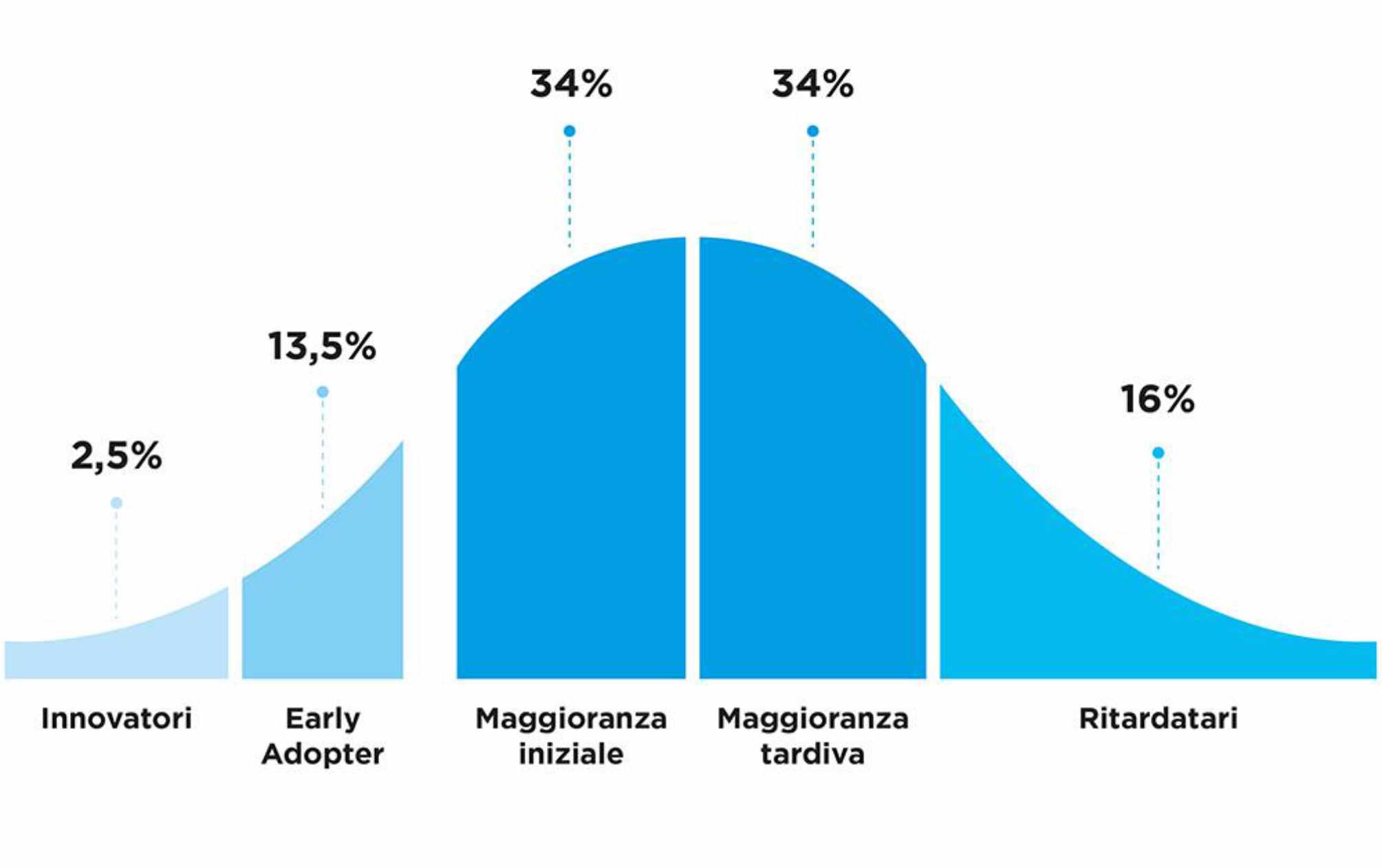
From what was postulated earlier, it can certainly be said that companies that can demonstrate more inclusive approaches toward innovation and new technologies, being in fact in the area of adoption identified as Innovators or bordering on the area of Early Adopters in the representation of the Rogers Curve, are in fact the ones that will be able to have higher growth rates than their competitors1.
Certainly, innovation is at its strongest when creation focuses on entirely new products or systems (greenfield approach), where freedom of action appears clearer; thus, it may be somewhat easier to solve problems encountered during the development phase with methods, processes, and products untethered from as-is (brownfield) concepts2.
As we know very well, reality is nuanced: in an entirely new project, it is essential to consider the operational context, as well as the background, as well as the approaches and solutions adopted in the past, so the issue of integration comes back into focus once again.
Complexity increases exponentially when we consider that suppliers and customers might use different technologies, have different priorities, or be at different stages of their technology upgrade cycle.
Success depends not only on the excellence of one's product, but on the ability to create a flexible and robust architecture that facilitates interaction between sometimes distant technological worlds, turning potential incompatibilities into opportunities for seamless integration.
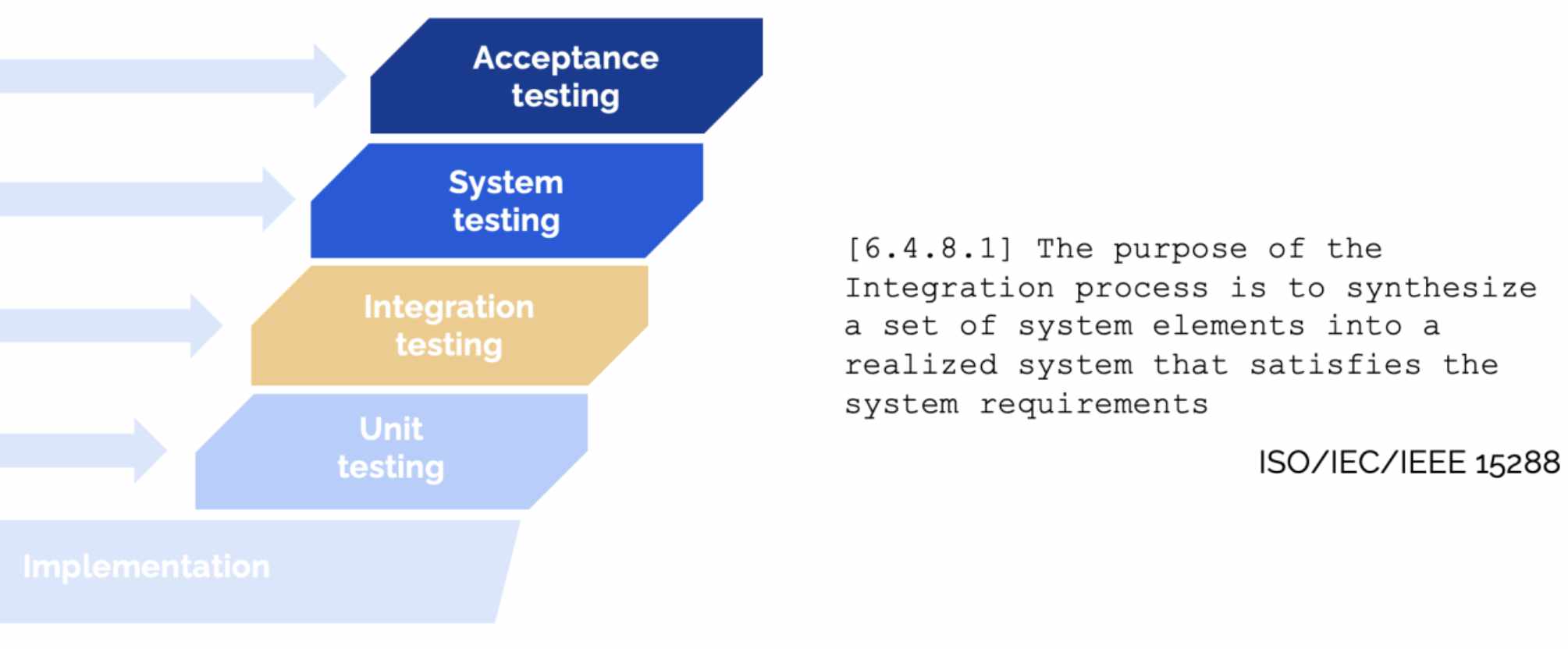
The world we are living in and moving toward is increasingly interconnected. Each product of the human intellect (system) becomes a single point connected with others and sometimes evolving toward the concept of Systems of Systems, generating further evolutionary behaviors, expected or not expected, that should always be taken into account.
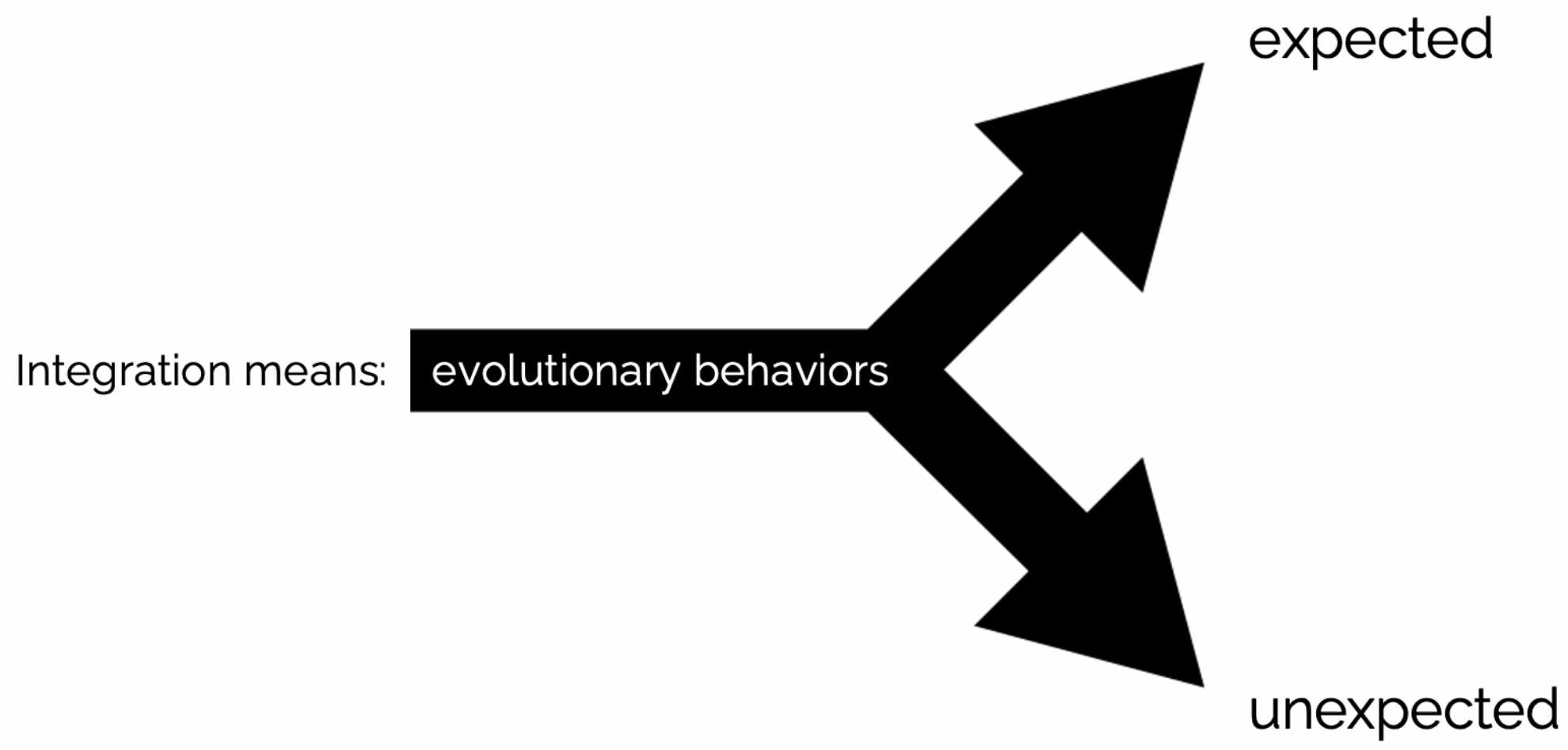
The importance of Systems of Systems (SoS) simulation with integration of virtual and physical objects (systems)
In the contemporary era, which is precisely characterized by increasing technological and organizational interconnectedness, the concept of “Systems of Systems” (SoS) has gained fundamental importance. Indeed, a System of Systems represents a collection of independent systems that, while maintaining their own operational autonomy, collaborate to achieve goals that no system could achieve individually. These complex architectures go beyond the more traditional approach that distinguishes Systems Engineering, introducing new challenges and opportunities that require innovative approaches.
During the engineering phase of a new product or system, the intrinsic (toward the elements that constitute the system itself, thus within itself) and extrinsic (toward humans and thesurrounding environment) behavioral aspects should always be analyzed with special care, since they will in fact be the primary factors that will determine its integrability.
Systems Engineering, thanks to Model Based Systems Engineering (MBSE3) is able to methodologically address most of these aspects, although as is now known, in these highly complex areas, the methodology must be supported by appropriate tools.
In fact, as mentioned earlier, as the organizational complexities dictated by the need for integrations increase, it is obviously essential to follow established practices, but also to introduce innovative elements that allow the greatest possible flexibility.
Certainly, in a complex integration process, whether greenfield development, brownfield development or even reverse engineering of an existing complex system, the ability to be able to simulate the potential behavioral evolutions of elements and systems can become a plus that should not be underestimated.
In fact, behavioral simulation in system development and even more so for Systems of Systems, is a desirable and sometimes even fundamental component of understanding, designing and managing these complex technological ecosystems.
Pushing even further toward an optimal development condition, the integration of virtual elements (synthetic and simulated) with physical components within these simulations offers significant advantages that make this methodology particularly valuable in today's landscape.
Benefits of hybrid physical-virtual behavioral simulation in SoS
Behavioral simulation of Systems of Systems (SoS) that integrates virtual objects with physical, real-world elements represents a revolutionary approach that is transforming the way we design, test, and implement complex systems. This hybrid approach, often called “digital twin” or “cyber-physical simulation,” offers significant advantages for systems integration.
First, reducing the cost of experimentation; in fact, testing architectural or functional changes in real-world complex systems would involve prohibitive costs and operational risks. Hybrid simulation allows experiments to be performed on virtual components while maintaining interaction with essential physical elements.
It allows speeding up the development process: iteration on physical systems takes a long time, while hybrid simulations allow faster development cycles through manipulation of virtual elements, while still maintaining the validity of the results through interaction with real components.
Finally, it allows otherwise impossible scenarios to be explored. Simulation makes it possible to test extreme conditions or emergency situations that would be dangerous or impossible to replicate in the physical world, yet maintain some realistic constraints through the inclusion of physical components. In fact, the integration of virtual components with physical systems allows testing of complex configurations and scenarios without having to physically implement the entire system.
Not least, hybrid simulation allows testing interoperability between existing systems and new components prior to their physical implementation. This is especially important in SoSs where integration of independently developed systems is a critical challenge, thus in brownfield situations, or as mentioned, in cases of reverse engineering (or complete reengineering) of existing systems.
Finally, SoS are characterized by emergent behaviors that can be difficult to predict. Hybrid simulations allow these behaviors to be observed and analyzed in a controlled environment, facilitating the identification of potential problems or opportunities.
Physical-virtual integration methodologies in SoSs
Integration between virtual and physical objects in SoS simulations can occur through several methodologies:
Hardware-in-the-Loop (HIL): This technique integrates real hardware components within a virtual simulation. The physical components receive inputs from the simulation and return outputs that influence the behavior of the virtual system. It is particularly important in areas such as automotive or aerospace, where the behavior of physical controllers is crucial
Functional Digital Twins: Accurate virtual representations of physical systems operating in parallel with their real-world equivalents, exchanging data in real time. This approach is critical for SoS because it allows us to observe how changes in one virtual system can affect the entire ecosystem, while maintaining an anchor to physical reality.
Agent-based simulation with real sensors: In this approach, simulated software agents interact with data from distributed physical sensors, creating a mixed representation that combines virtual behaviors with real environmental constraints.
Simulation of Systems of Systems that integrates virtual and physical elements represents not only a design and testing tool, but an essential paradigm for understanding, managing, and optimizing systems whose complexity exceeds traditional analysis capabilities.
This methodology balances the need for safe and cost-effective experimentation with the need for realistic and applicable results, thus representing a fundamental pillar in the evolution of future complex socio-technological systems.
Ingescape Circle by Ingenuity I/O
Precisely as part of its constant search for technological solutions that bring tangible innovation, ONE-SYS has formed an important partnership with Ingenuity I/O, a French company with decades of experience in the field of integration, Systems of Systems and producer of the Ingescape Circle tool.

Ingescape Circle is a tool created with the goal of supporting the development and integration of system elements, systems, and systems of systems in complex domains by applying with balance and wisdom, innovation, and best practices dictated by the literature in Systems Engineering.
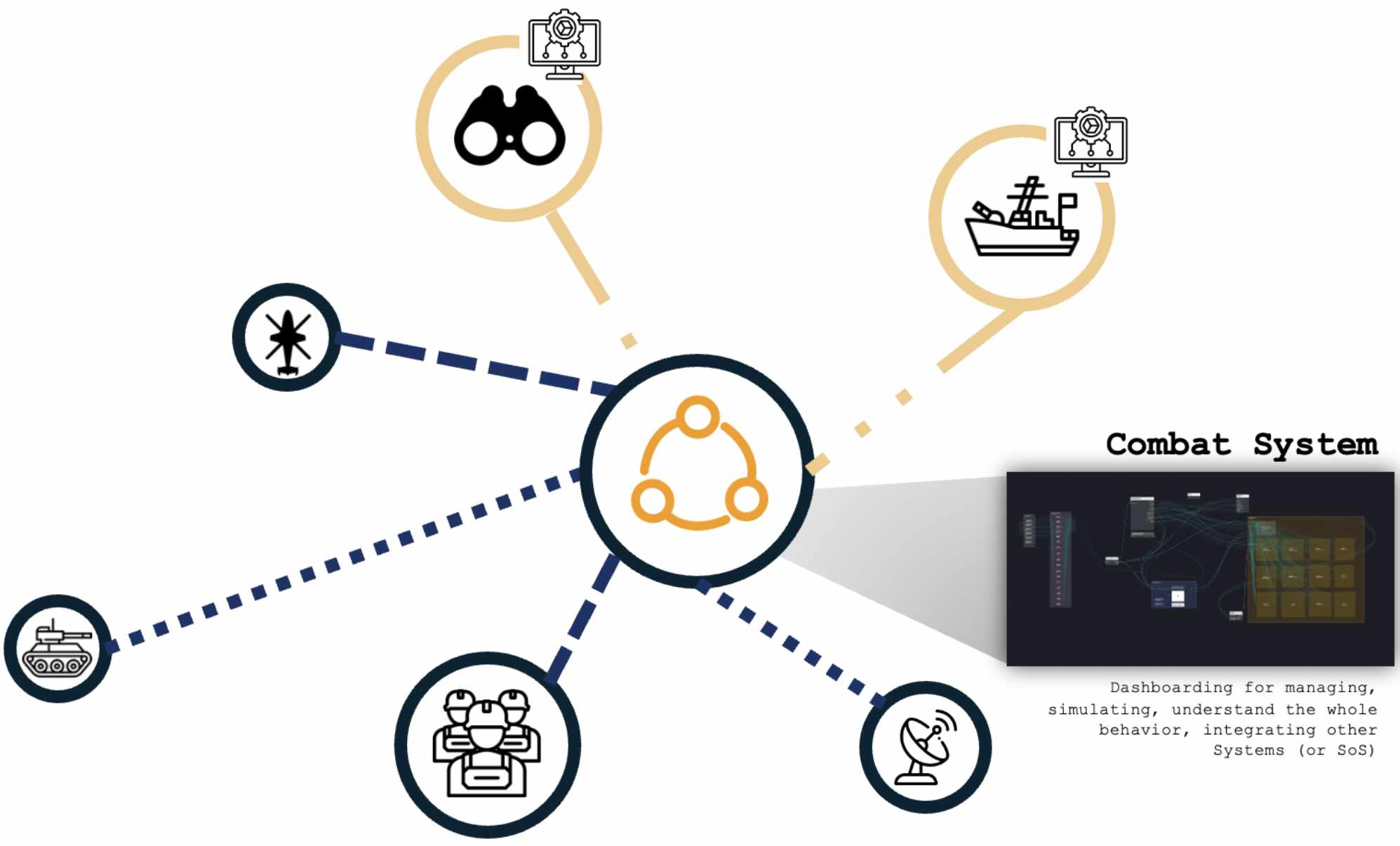
Ingescape Circle enables integration between physical objects and simulated objects, so as to simulate the behaviors of systems by understanding their behaviors, anticipate verification and validation activities, and have complete physical and logical traceability of each constituent element of a system or system of systems.
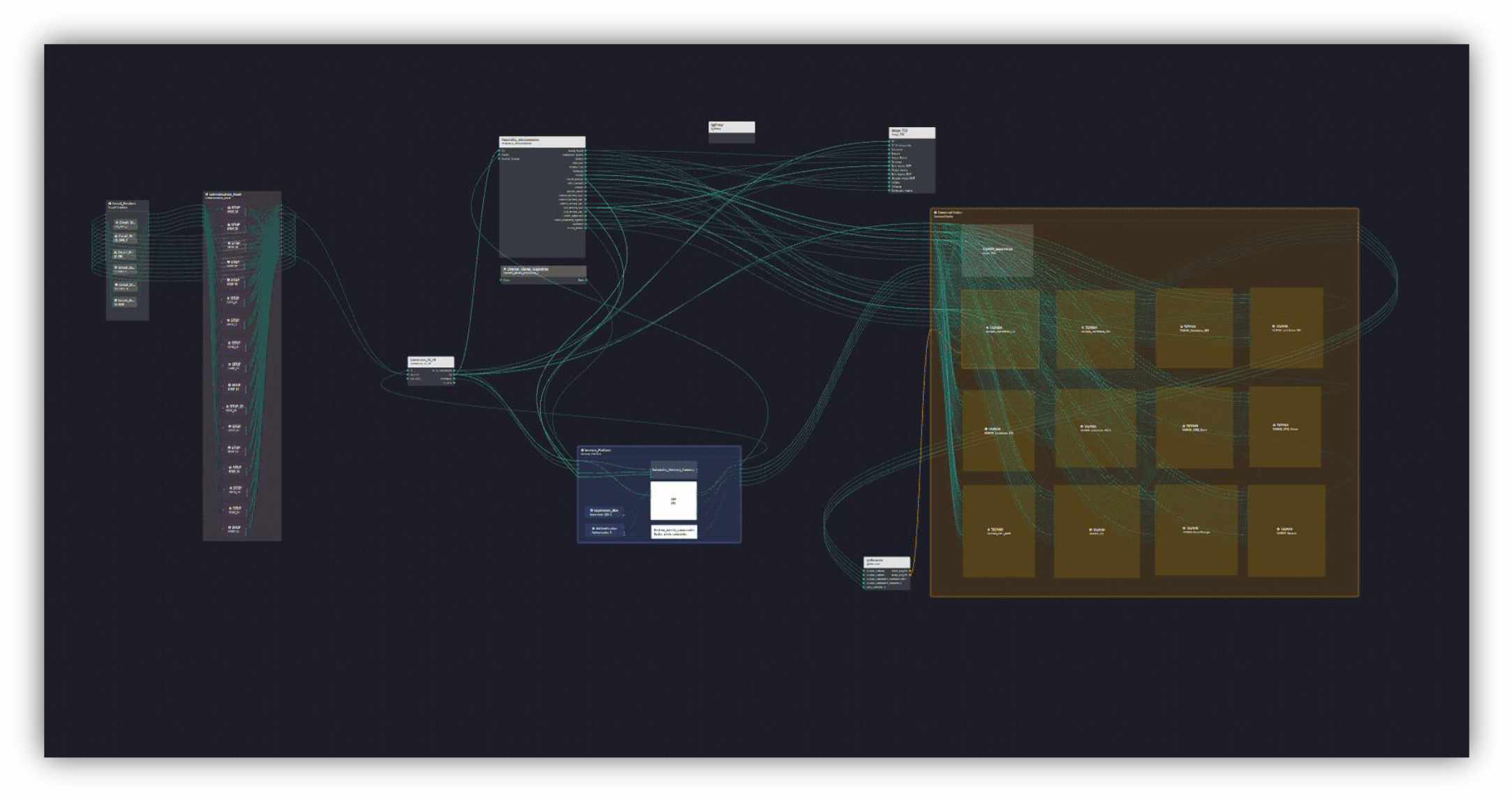
To get more information about ONE-SYS, what we are about, our focus at Systems Engineering and Ingescape Cicle
Contact us